Main responsibilities
- Diverging, Converging ideas for the game concept
- Establishing Pipelines
- Prototyping concepts and early implementation
- Creation of blockouts and early set dressing
- Constructing and balancing gameplay internally & externally
- Full responsibility for the onboarding
- Technical level optimization including streaming distances, (H)LOD control, Collision checks, and Mission testing.
- Overall bug fixing and QA testing
Til Nord is a free snowmobile game that lets you discover a sublime open world on your snowmobile! Drive among the frozen environment of Snøfall øyer to discover beautiful vistas, time trials, and quests that permanently change the open world in Til Nord.
Til Nord is well received with over 100K downloads and over 300 very positive reviews on steam
Tools used
Til Nord is a student project created during Covid 19 which has been developed semi-remote. To create Til Nord I have used the following tools to develop it.



Concepting


Brainstorming
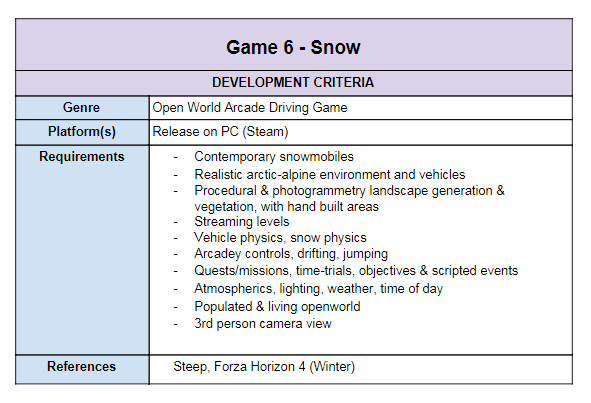
At the start, we received a project brief as you can be seen on the side here. As a team, we had a collaborative meeting on what our thoughts were on this concept and where we could take this.
By all giving our input into it, we started to think of ways to do with these criteria. We started out by researching the requirements with the goal in mind to find out how other games use these criteria for the fun of the game.
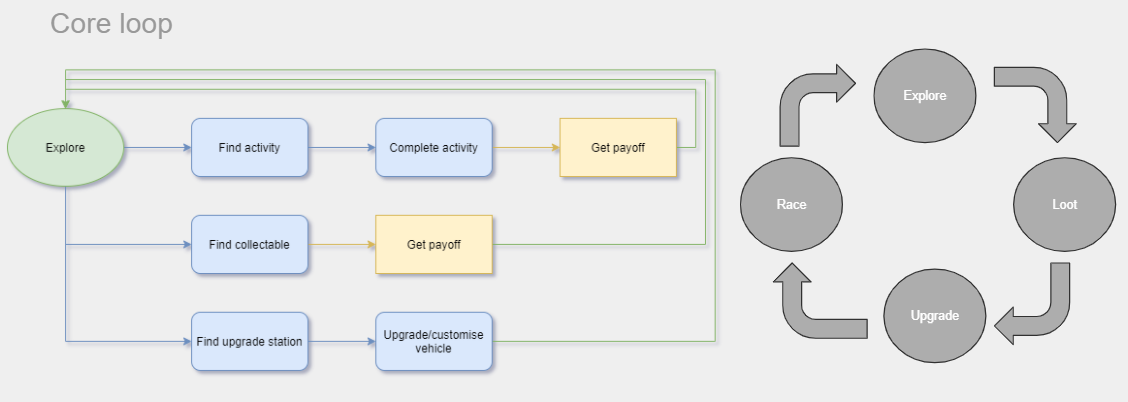
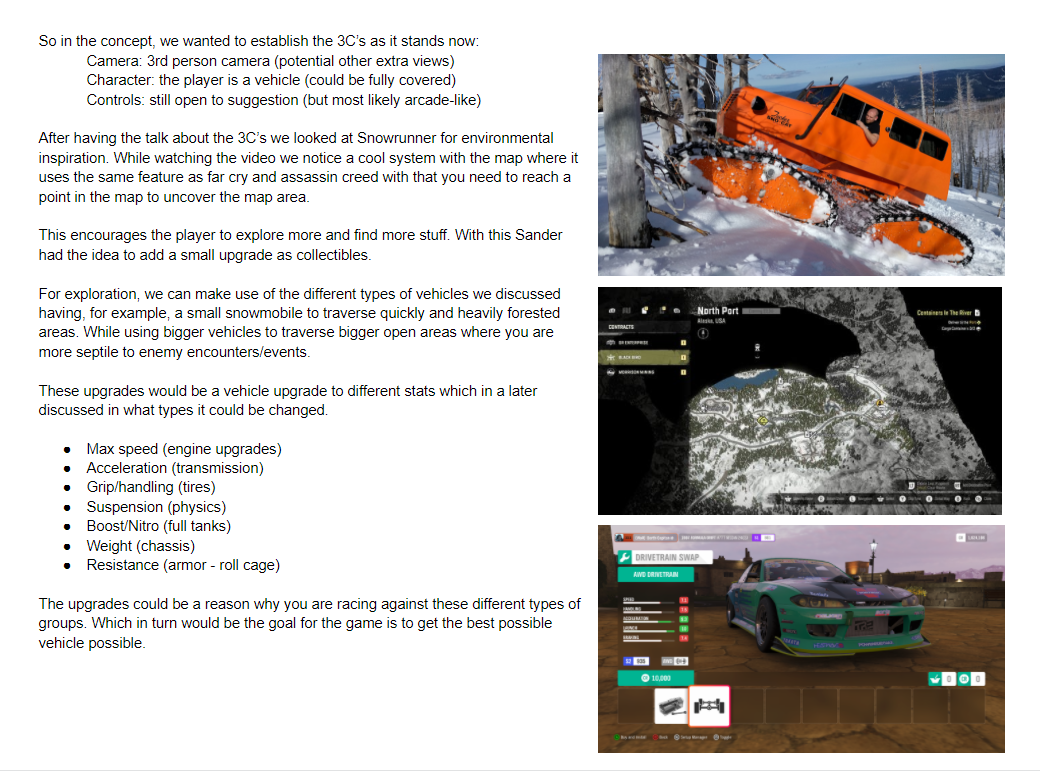
Once everyone had done their basic research into the criteria we started to diverge ideas of mechanics we could add to this game to create interesting and enjoyable gameplay. 1 of the main things I suggested was customization since this is a feature that is present in a lot of our reference games. Due to the sheer amount of ideas, the leadership team decided to split the team up into 4 smaller concept teams wherein we could delve deeper into a concept and work that out.
After working this idea out we converged with the complete team to see what was the most interesting one to go forward with.
Research
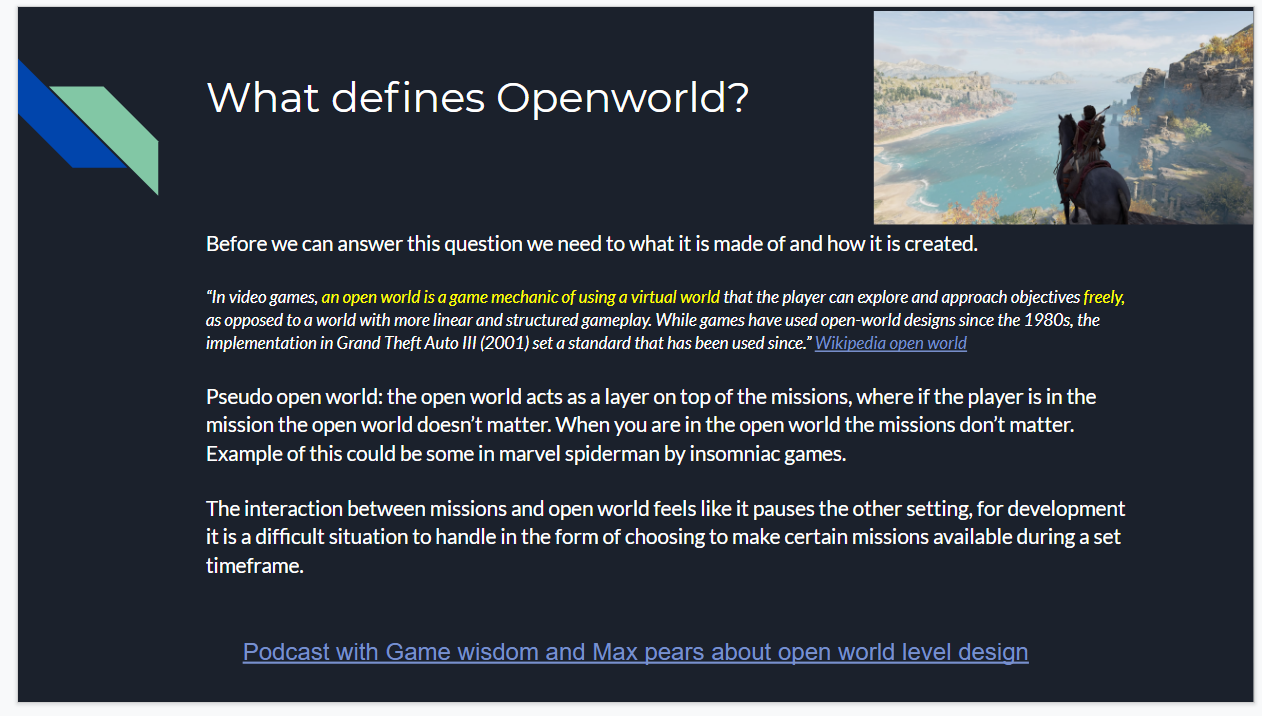
We started out by dividing all the requirements up for each team member. I took up to look into populated & living open world since I was interested in learning open-world level design and this could be a good start. Later it seemed helpful that I looked into what it means to have a populated & living open world due that our world felt empty. I suggested since we can’t have any AI roaming around by filling it up with vehicles and other tracks of animals or civilization to create the feeling that there is life in the world.
During the concepting teams, I took a look into reference games by analyzing Mad max for level design. I choose Mad Max since at this time it served as a great reference game due to having everything for our concept. It includes the required criteria of Quests/Missions, Objectives & scripted events, while also containing the customization and rebel/territorial influence gain.
the key points of this analysis are:
- Roads and structures are used as guiding lines towards multiple objectives
- There are always 2 or more objectives in the vision of the player
- Vista’s are placed to orient the player and give objectives
- The main objective should draw more attention than the side objectives

Pre-production
Pipelines
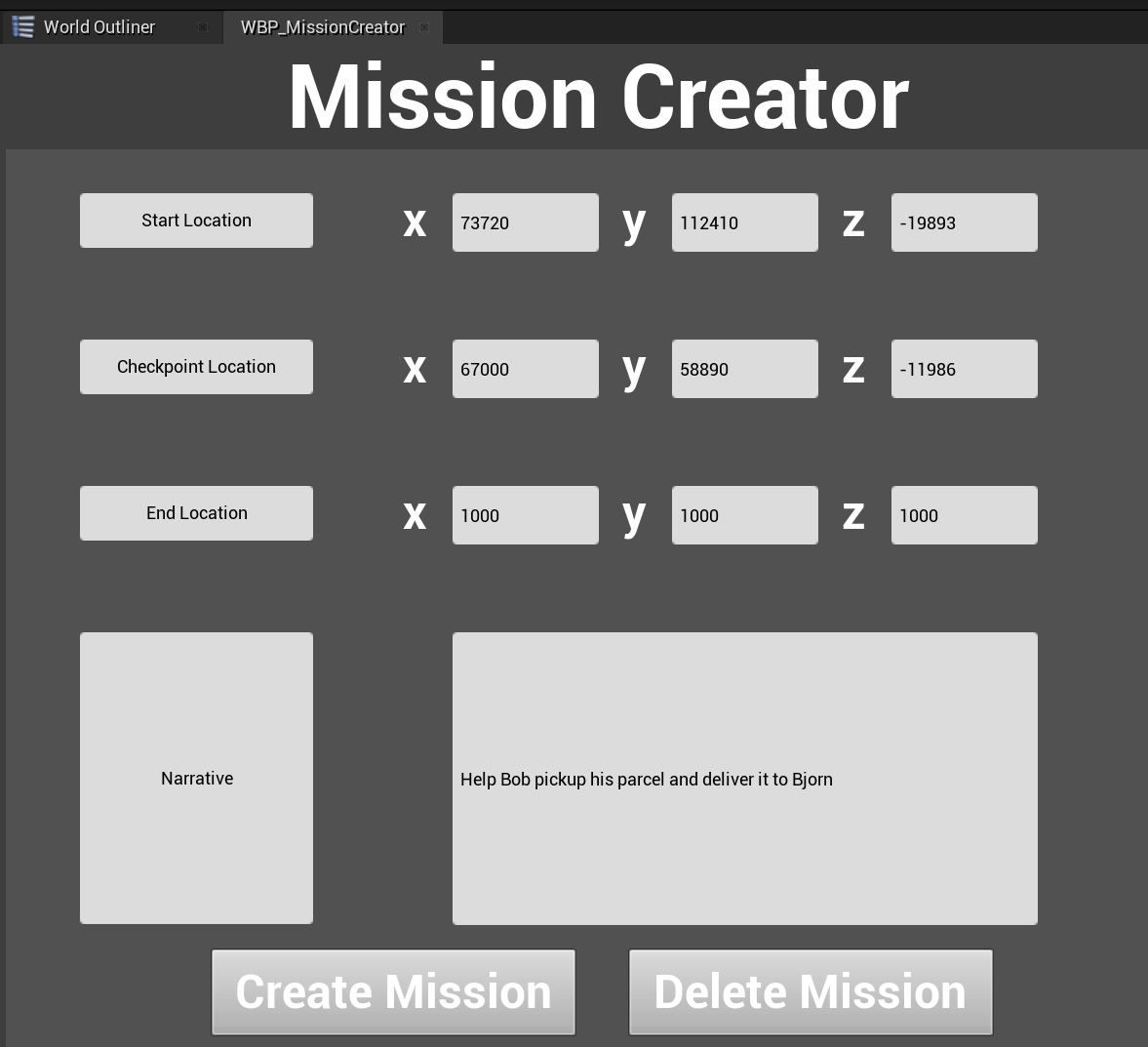
For mission design, I was responsible for coming up with what types of missions we are going to have and how to implement these. I started out by researching different types of missions and variations. Besides researching what types there are I also looked at the implementations for our game and what they would offer for the player and level designers as tools.
In collaboration with a programmer, we developed a structure that we could place manually or load data from a spreadsheet. The idea behind this method of implementation is that level designers could design missions quickly and edit them without having to go through multiple assets to change 1 thing.
During pre-production, I noticed that our team has been lacking members in several areas. This meant that we all had to take up more than 1 specialized role so with that in mind I wrote up a Mission Design document that contains all the information I had gathered on our mission system. It contains the following
- Explanations of the mission types
- How to rate the difficulty of a mission
- How to tie the mission to narrative
- How to implement missions with a flowchart pipeline
- Example of a mission written out.


Prototyping / Level design
In the early stages, I looked into ways to improve the player feedback and give the level designers more tools to work with.
- Destructible Object
- Mission objects with
- Scripted events
Besides creating prototypes I set up the level streaming and made use of the world composition. This was a trial and error process due to the integration of a Houdini tool we had used previously. This tool had created tiles for us to use but Unreal Engine didn’t recognize them as 1 big landscape tile to world edit on. Eventually, I got it to work in a way where the full landscape is divided into multiple tiles that connect for landscape editing.
Since our level design team existed out of 2 members at the time, I walked the other level designer through the process to best optimize the levels. This would be done by not placing anything into the level tiles besides basic foliage or roads. all of the other assets would get their own respective level Example (Town_Setdress)
Production




Level design
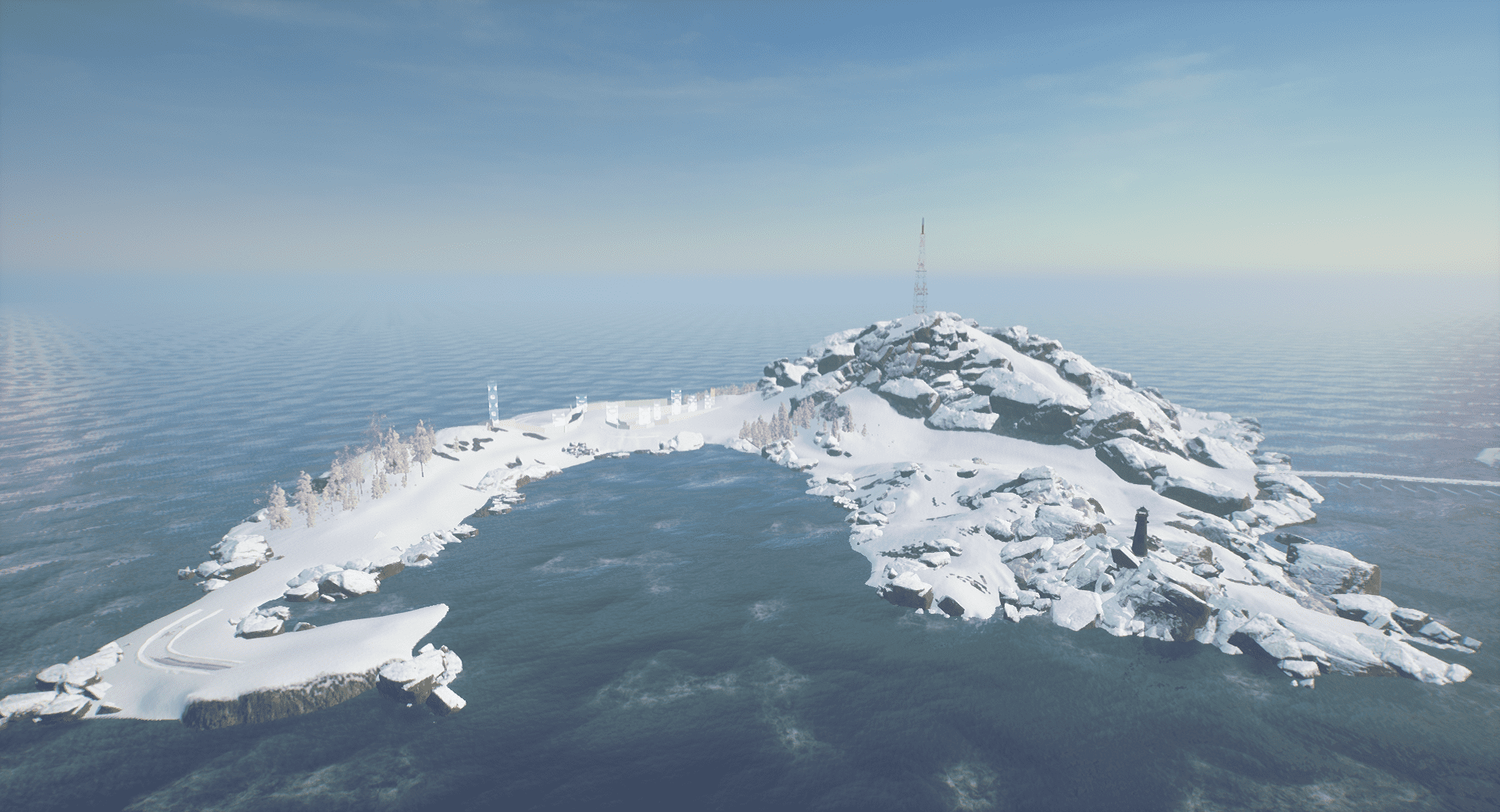
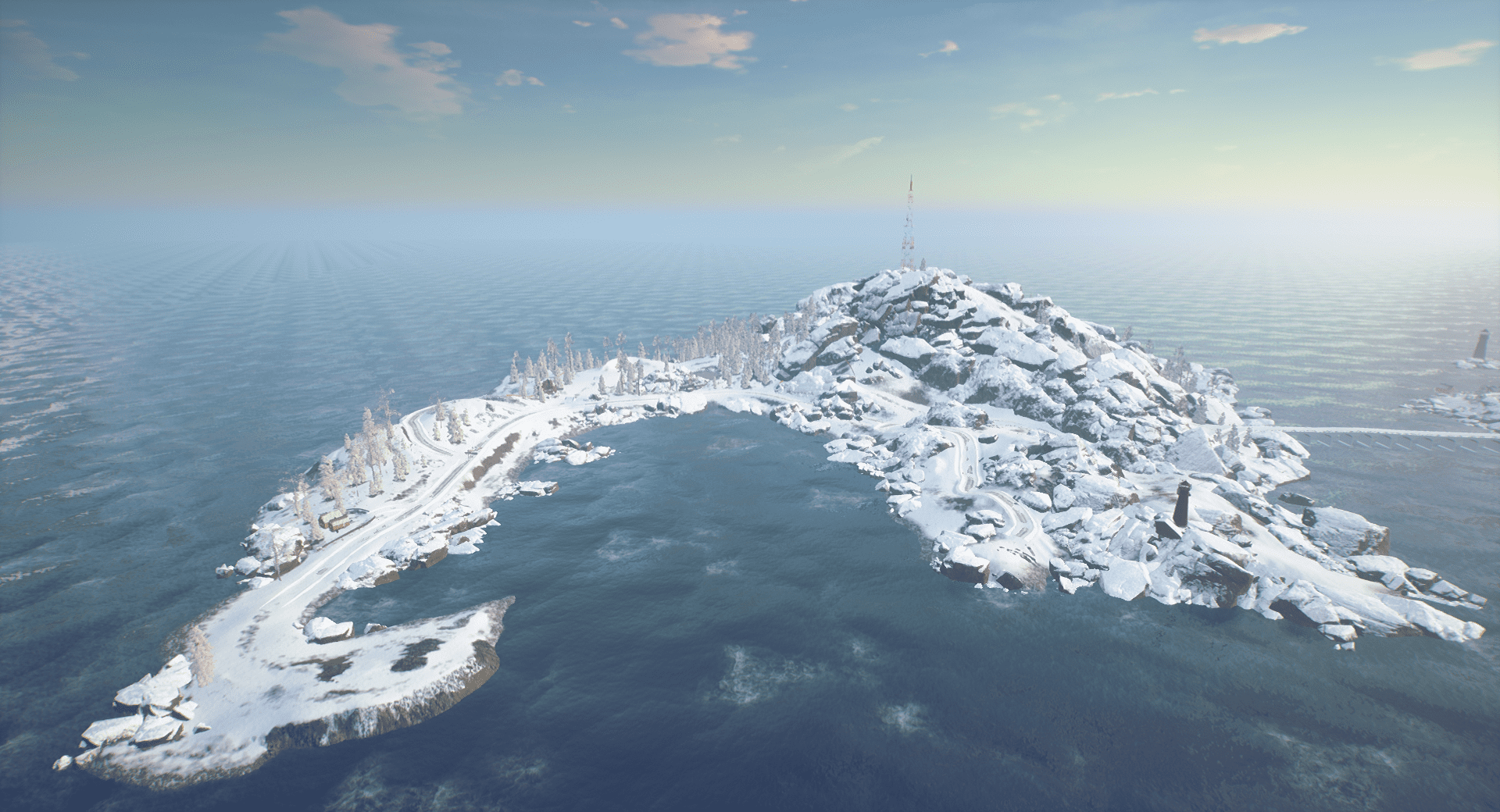
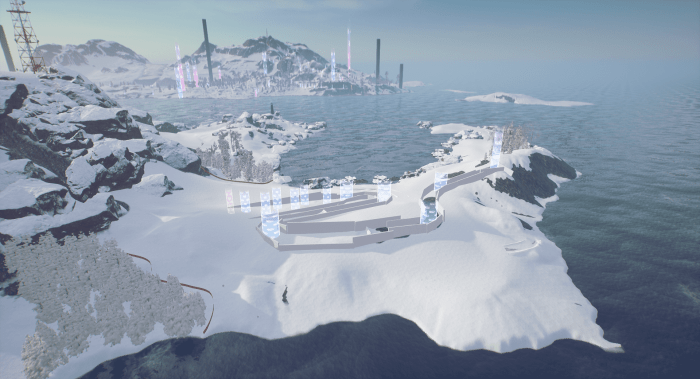
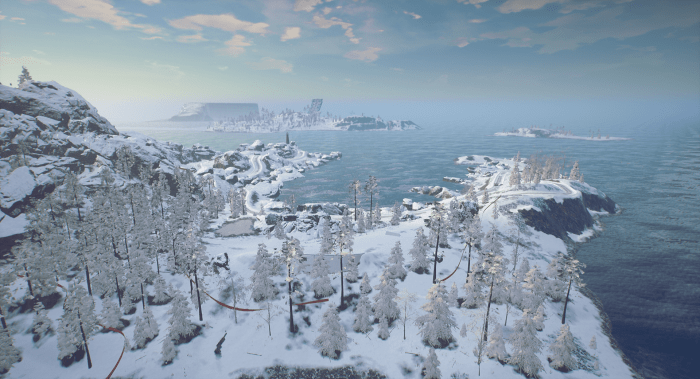
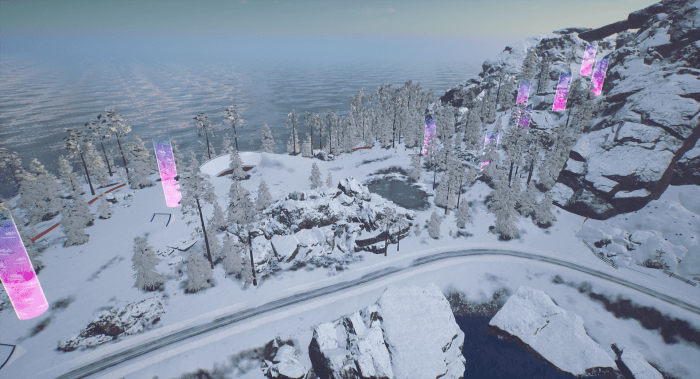
During production, we had a team of 4 level designers and divided the map up into different sections. This meant that I was responsible for a small racing area and the onboarding. In the early stages due to down scoping of the level size, the onboarding was abrupt and quickly implemented. This did a bad job of teaching the player what they can do and how everything works.
So I started out by expanding the size of the map with the confirmation of the level design team, for the onboarding section to get some more breathing room. This area was initially removed due to not having enough recourses to polish this area
The idea to tie it into the narrative was to start the player off in a remote location and have to find their way towards the main island. To do this I created a mission that starts once the game is instigated, the goal of this mission is clear to reach the mainland. The markers that are placed in between are used to teach the player several controls.
The first mission teaches the player all the basic controls with the use of help text triggers which give information based on the location. With the exception of 1 trigger which shows an overview of the map with the title of the game indicating the tutorial is over.
This section of the map was tracked by using a Condition of Satisfaction
Level design
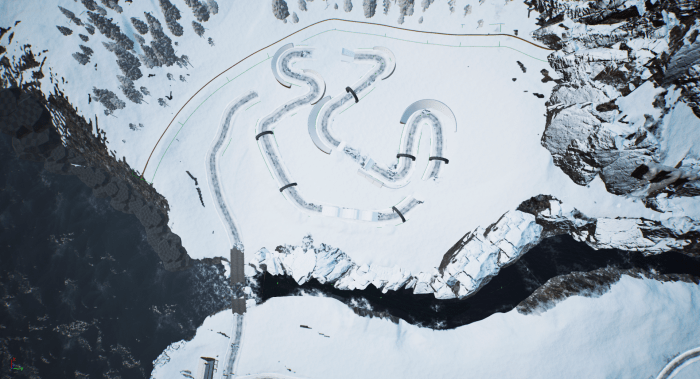
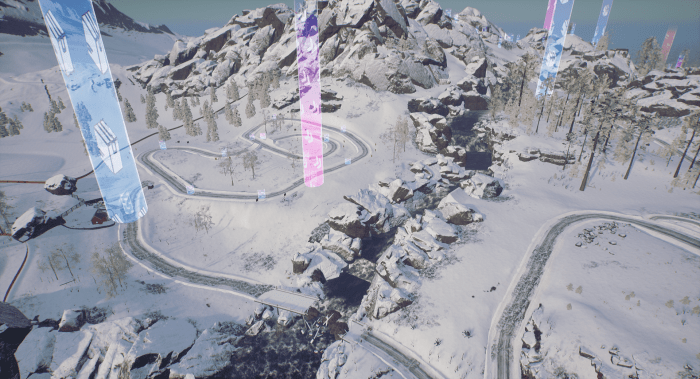
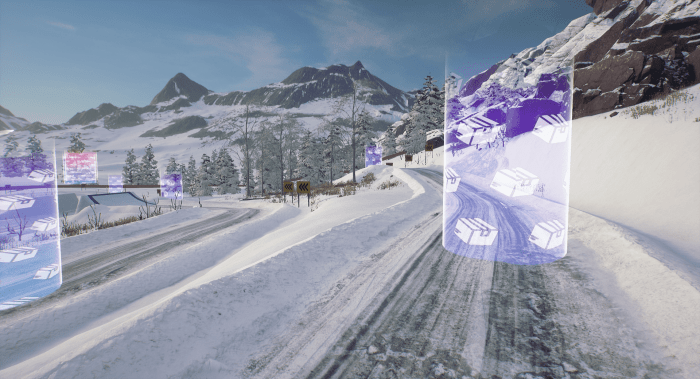
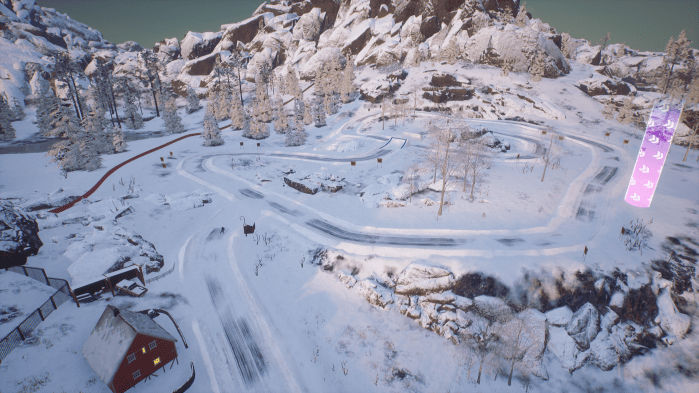
Besides being responsible for the onboarding I was also tasked with creating a racing/track area as part of a rebuilding mission. After completing the mission there would be a race track built for the player creating more racing missions.
Once the mission was placed initially it was designed to be a short mission but due to there being a bridge blockout, it was done within 10 seconds. I took the liberty of reworking this bridge into a broken one, By making this bridge broken it gives a narrative standpoint while also increasing the overall gameplay for this mission. The idea was still to make this a fairly easy mission so I added a natural-looking ramp that was blending in with the environment.
As mentioned before also this section of the map was tracked and updated through the use of a Condition of Satisfaction


Technical level design (optimization)
Optimization was something we didn’t think of initially as we were creating the levels. Since this wasn’t properly set up during the previous phase I took the responsibility for improving the performance regarding level design.
In the images, you see two overviews of the map showcasing the different map-level boundaries. In the first one levels are extending way further than they need and by moving assets in the correct maps or new ones where needed, I reduced the amount of loading needed for these areas. This reduced loading times but still not the overall performance.
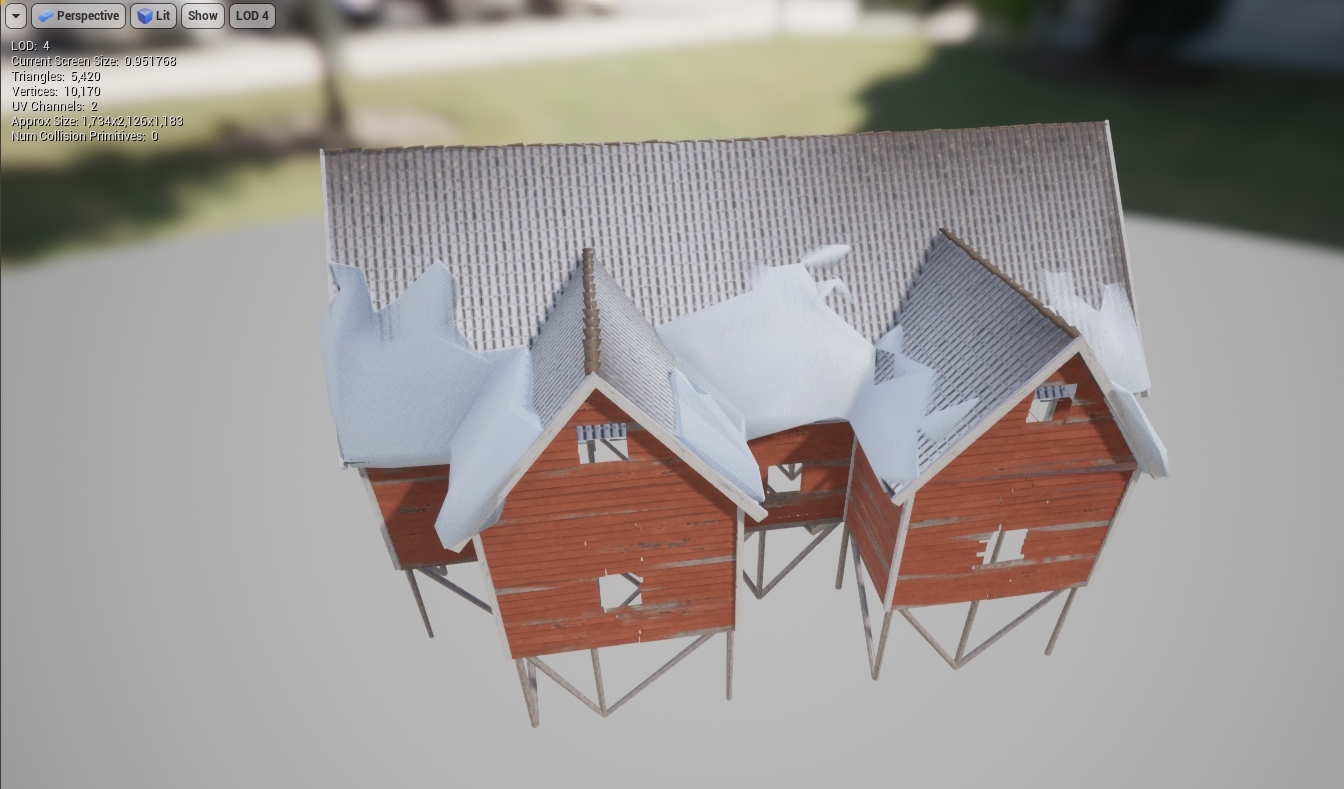
After investigating with Unreal Engine tools I concluded that the main house assets we used were not using LODs but the created mesh from 20-200K vertices. To circumvent this I applied the engines-generated LODs to them reducing them to 80% of their original cost.
While I was doing this I thought of taking it even a step further by making use of HLODs. HLODs combine multiple meshes into proxy meshes for longer distance loading reducing the overall draw calls from 10 objects into 1. By applying this to a lot of clustered objects it saved a lot of performance in the end.


Release
Set dressing
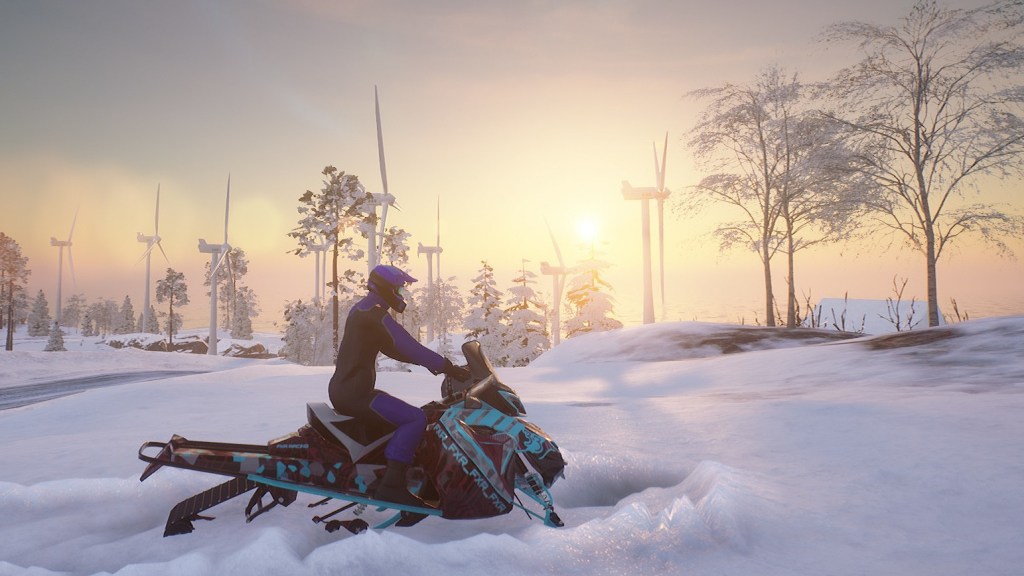
Since Til Nord is an open-world game with only 4 artists we as level designers took up the task of taking our blockouts and white boxes further into set-dressing.
This gave me as a level designer the opportunity of taking my work 1 step further and help out the team. By doing this I learned to look more environmental storytelling while making sure that it still looks natural in the scene


Q&A
As part of any game, bugs come in from any source. In our case, the programmers created a great pipeline to catch the majority of bugs before even releasing a new version. We would have weekly builds with multiple build tests to find issues, I contributed by noting down all the issues I had fixed for this version so others could check if them. As well as picking up new issues that were found after these sessions.
These issues could be from minor asset alignments to game-breaking collisions or gaps in the world. When we felt that we had a stable build, we would ask some of the beta testers to check out the new version for their feedback and issues.
Thanks to this process I was able to directly communicate with the community and give answers where needed.
Closing thoughts
By being part of the project Til Nord I have been able to learn a lot in many different subjects. I started out with little to no knowledge of open-world level design and this game gave me the opportunity to learn a lot. I learned how it was to manage pipelines as well as have people work under you and be able to explore more into the storytelling part of level design.
Overall the great team spirit was helpful in getting us where we are now and can’t wait for the new adventure.